

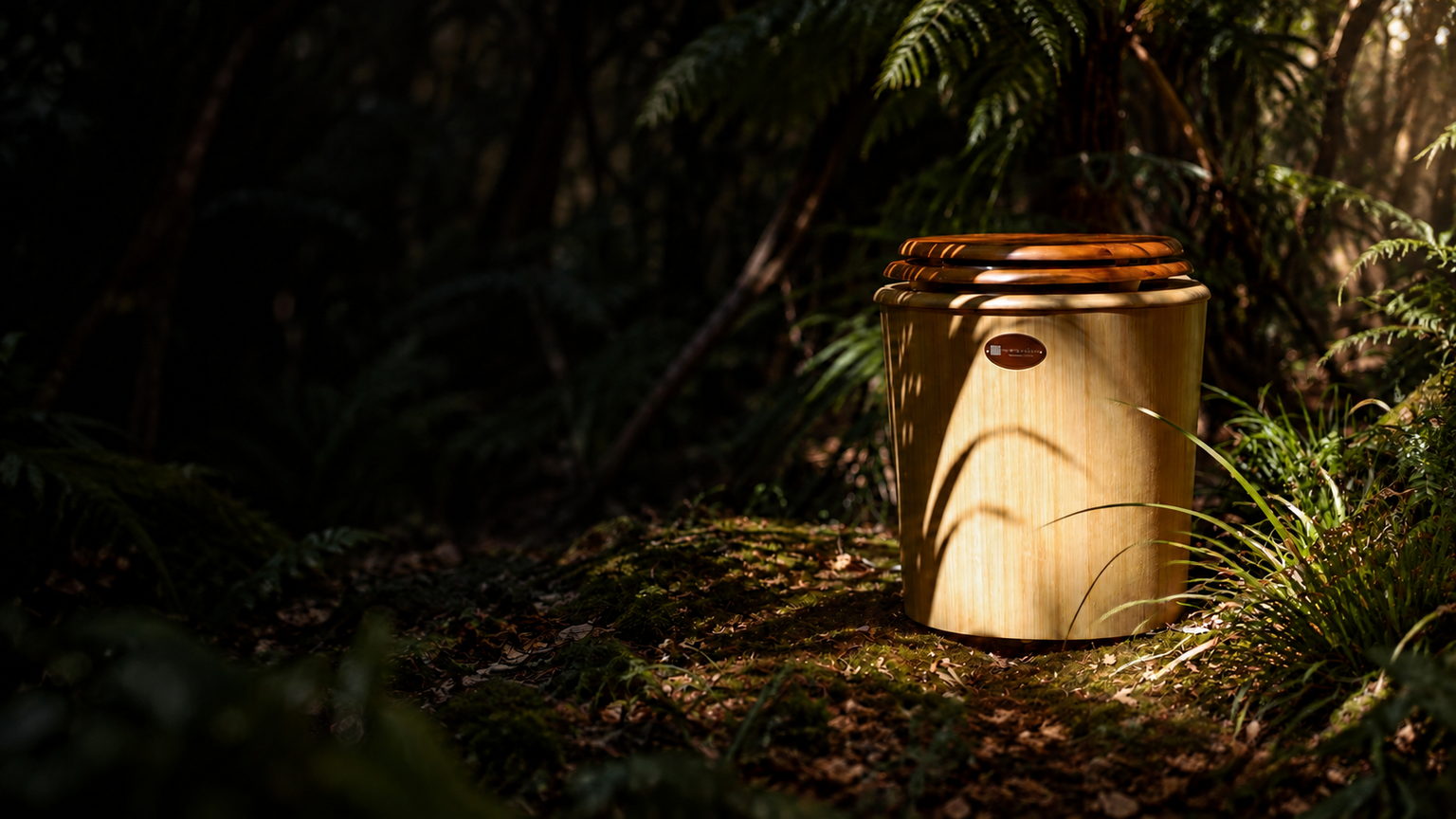
A dry toilet built by hand in New Zealand.
A commode, finished like furniture, made to live in the room with you. No water, power or plumbing.
Made in nature, for your nature
WCTNZ® / Handmade in NZ
- Size
- 455 × 568 × 398 mm
- Bucket
- 20 litres, screw-on lid
- Build
- Handmade, stamped & dated
- Hook-ups
- None needed
The world would be a better place if we all looked after our own crap.
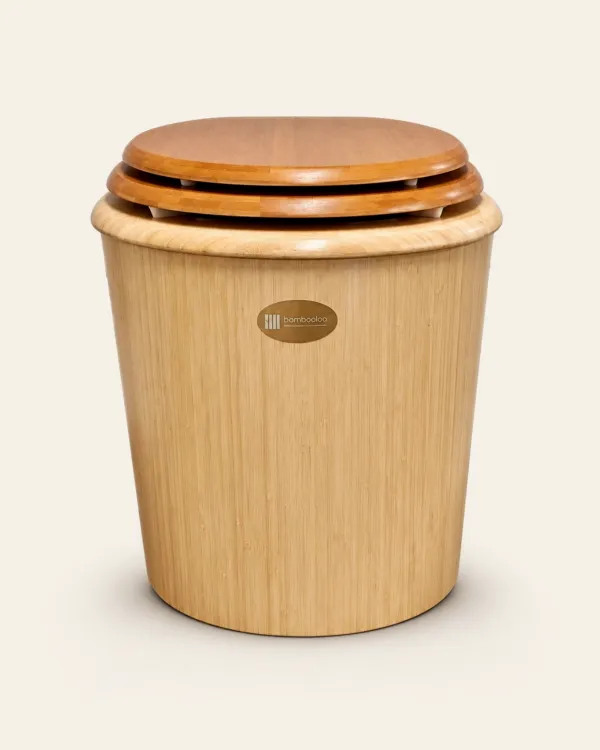
Made here, by hand, one unit at a time
Bambooloo is built by Waterless Composting Toilets NZ, a family company that has been making this one thing, and only this one thing, for years.
Nothing about it is moulded in a single shot. The bamboo is cut and shaped, the contours are worked the way a boat builder works a hull, the lid hinges are set by hand and the seat is fitted to the base rather than dropped onto it. The heavy chamber lid closes onto soft button stops, so it settles instead of slamming. That is the difference between a thing you tolerate in a small room and a thing you stop noticing.
Every unit carries a stamp with its build version and the date it was made. That is partly a record for us and partly a promise to you: if you ever ring up about your Bambooloo, we can tell which one it is.
What a Bambooloo is, and what it is not
People look for this as a composting toilet, and that is a fair name to find it by, but the composting happens later and somewhere else. We would rather be plain about that on the first page than have you find out later. Both columns are the product description.
What it is
- A stable bamboo housing for a removable 20 litre bucket, with a fitted seat and a lid.
- A commode. It collects urine, faeces and toilet paper together, under cover material.
- Free-standing: it needs no water, no power, no plumbing, no drainage and no ventilation.
- Furniture-grade, so it can stand in a bedroom, a bathroom or a sleepout without looking like equipment.
- Able to be restrained to the floor if you want it fixed, in a boat or a caravan for instance.
- Sold and shipped within New Zealand, including the Cook Islands, Niue and Tokelau.
What it is not
- Not a treatment unit. Nothing is processed or broken down inside the room.
- Not a certified system under AS/NZS 1546.2:2008 (On-site domestic wastewater treatment units: waterless composting toilets), and not a legal on-site waste management system.
- Not a promise of no smell. With enough cover material and an owner who stays on top of it, a Bambooloo is pleasant to live with; a mild earthy smell can still occur.
- Not a shop. Price, stock and ordering live with WCTNZ®, who keep them current.
- Not the instruction manual. What to do day to day comes in the printed Owner Setup, Use & Care Manual with every unit.
- Not the end of the story: the full bucket goes to a pathway you choose and manage.
Three steps, and only the first one happens in the room
This is the shape of it, not the instructions. Those come printed in the box, where they can be kept right.
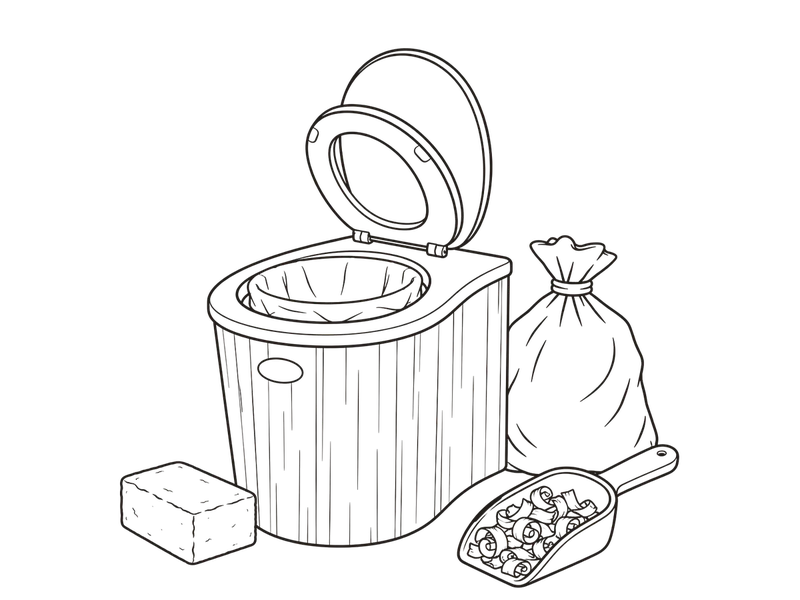
Line it, then cover
A compostable liner in the bucket, cover material in the bottom, and cover material over the top afterwards. Cover material is what keeps the room pleasant, and the printed manual is where the how-much lives.

The bucket comes out whole
Lift the seat, take the bucket out, screw the transport lid on. One person fills one bucket in about four days. Nothing is poured, tipped or plumbed.
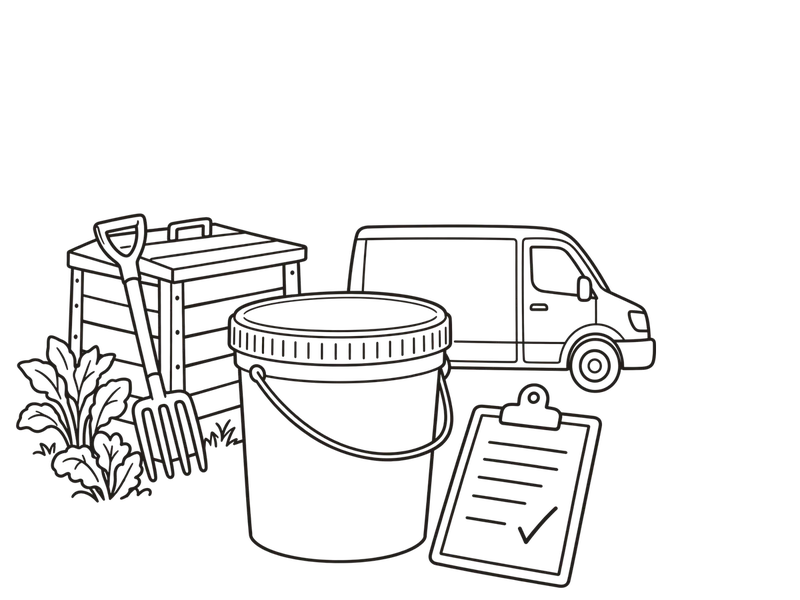
What happens next is yours
A Bambooloo is a bucket system, so the pathway is the owner’s: composting you manage on your own site, a collection service that accepts this material, or an arrangement confirmed with your council.
A bucket system is one of several ways a waterless toilet can be arranged. WCTNZ® sets them side by side on their types of composting systems page. Talk to them before you commit to a pathway; they do this every day.
Where a Bambooloo earns its floor space
Small rooms, no drainage, or nowhere to run a pipe. It also turns up in B&Bs, guest rooms and on lifestyle blocks: anywhere a second toilet is wanted and plumbing is not.
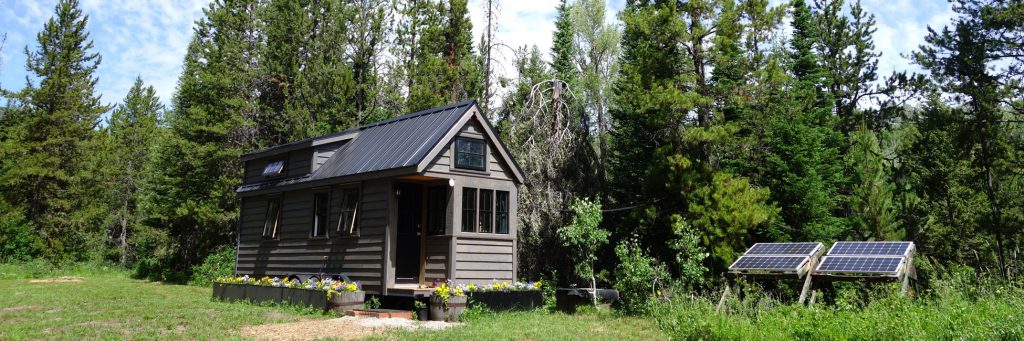
Transportable and tiny homes
No pipes, tank or power to plan around, so it fits the floor plan you already have.
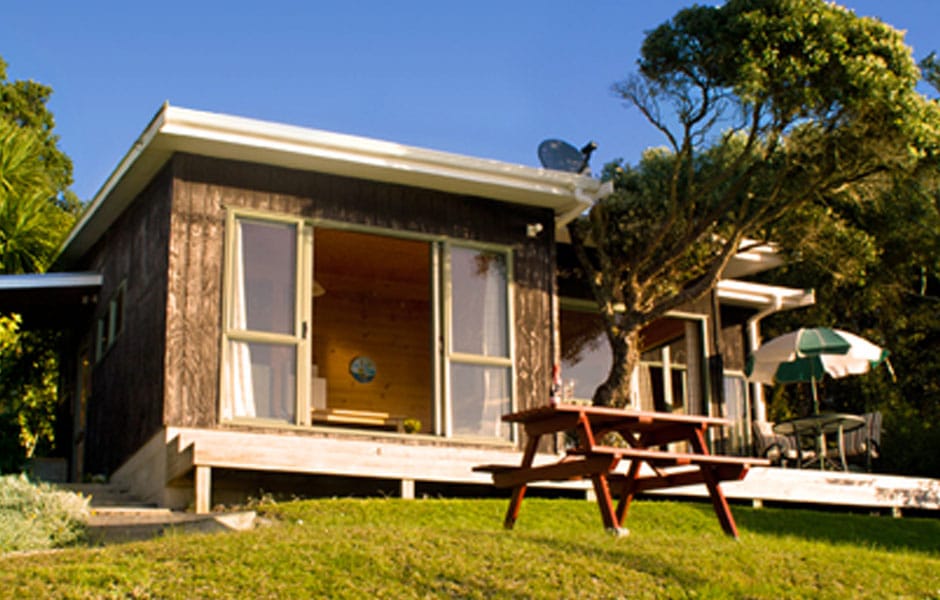
Baches and holiday homes
No water in it, so there is nothing to drain or freeze while the bach sits empty.
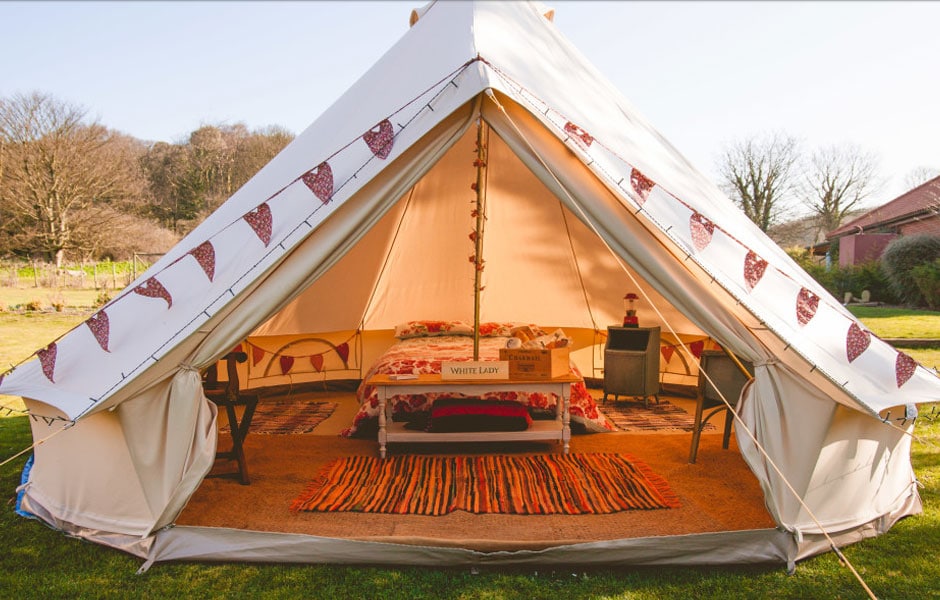
Glamping and campsites
A proper seat inside the tent, instead of a torch-lit walk to the block.
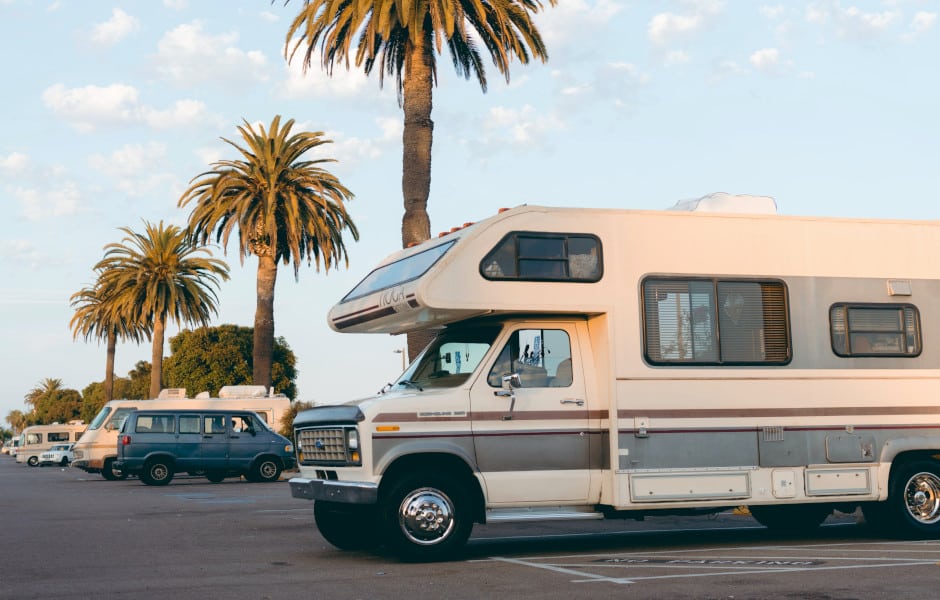
Caravans, motorhomes and RVs
No tank to plumb in. The 20 litre bucket travels sealed under its screw-on lid.
Kept ready for an emergency
It keeps working when the water and power are cut, because it never needed either.

Boats and house boats
No holding tank, pump or pipework to fit aboard.
Common uses
Quiet, no plumbing and it looks like furniture, so it can stand beside a bed where a commode normally announces itself.
A second, unplumbed toilet alongside a central system: a sleepout, a workshop, the far end of the house.
Why bamboo, and where we stop claiming it
Bamboo is a grass. It is cut rather than felled, it grows back from the same root, and it comes out hard enough to make furniture from.
That combination is rare, and it is the whole reason this toilet is made of it. Laminated bamboo takes an edge cleanly, holds a screw, does not mind a humid bathroom and finishes to a surface you are happy to put a hand on. In a room the size of a tiny-home bathroom, the material is most of what you notice.
Not every part of a Bambooloo is bamboo, and we would rather write that down than let the name imply otherwise. Bamboo where it counts: the surfaces you see, touch and live with. Everything else is chosen for strength and for how long it has to last.
Carbon is the same bamboo, heat-treated. Heat drives the colour right through the board instead of sitting on it as a stain, so the base ends up matching the seat and lid rather than contrasting with them.
What the people who own one say
Video testimonial: the Bambooloo™ in a tiny home.
Video testimonial: Kyle Sutherland in his tiny house on wheels.
Stories from the field
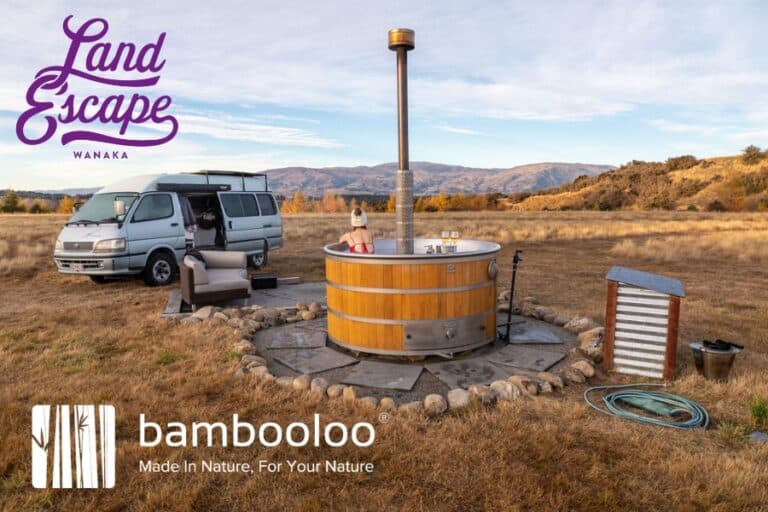
LandEscape Wanaka
A luxury getaway near Wanaka running Bambooloo commodes on its motorhome sites. Read the story
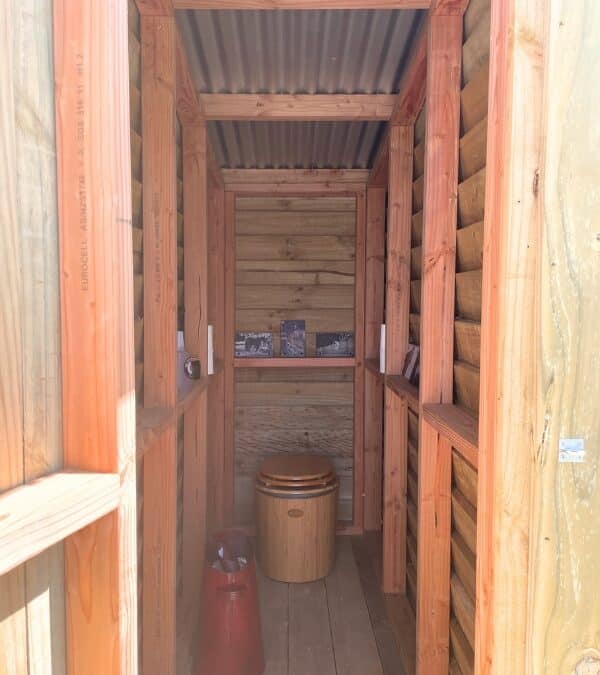
Fossil Creek Farm Trust
A donated Bambooloo serving an animal-assisted therapy farm. Read the story
Owner reviews
“The Bambooloo is an evolution of the simple bucket toilet concept.”
You can spend a lot of money on composting toilet solutions, but in the end it’s hard to beat a simple collector followed by a thermophilic compost process. The world would be a better place if we all looked after our own crap.
“I’ve been using my Bambooloo composting toilet in my Tiny House since April 2016 and I absolutely love it.”
It’s simple to use, there is no smell and it looks great in the bathroom. Together with my girlfriend, we worked out that we save around 25,000 litres of water every year simply by not using a flushing toilet.
“At first I was skeptical and afraid the guests would not be able to cope.”
I live in New York so I took a gamble. The result was that the guests were totally fine with it. I have had 100% good reviews for my place from all the guests that have stayed there. It is eco friendly and in keeping with the natural environment. I found the experience amazingly easy as I have just returned to NZ for a visit and have been using the Bambooloo for the very first time. It’s as simple as can be with absolutely no odour whatsoever. I would recommend Bambooloo to people who need a toilet for out of the city areas or holiday baches. It is certainly 100% better than the Long Drop!
Two finishes of the same bamboo line
Same commode, same build, same package. The difference is what the heat has done to the bamboo. Price, stock and ordering are held by the WCTNZ® shop, where they are kept current.
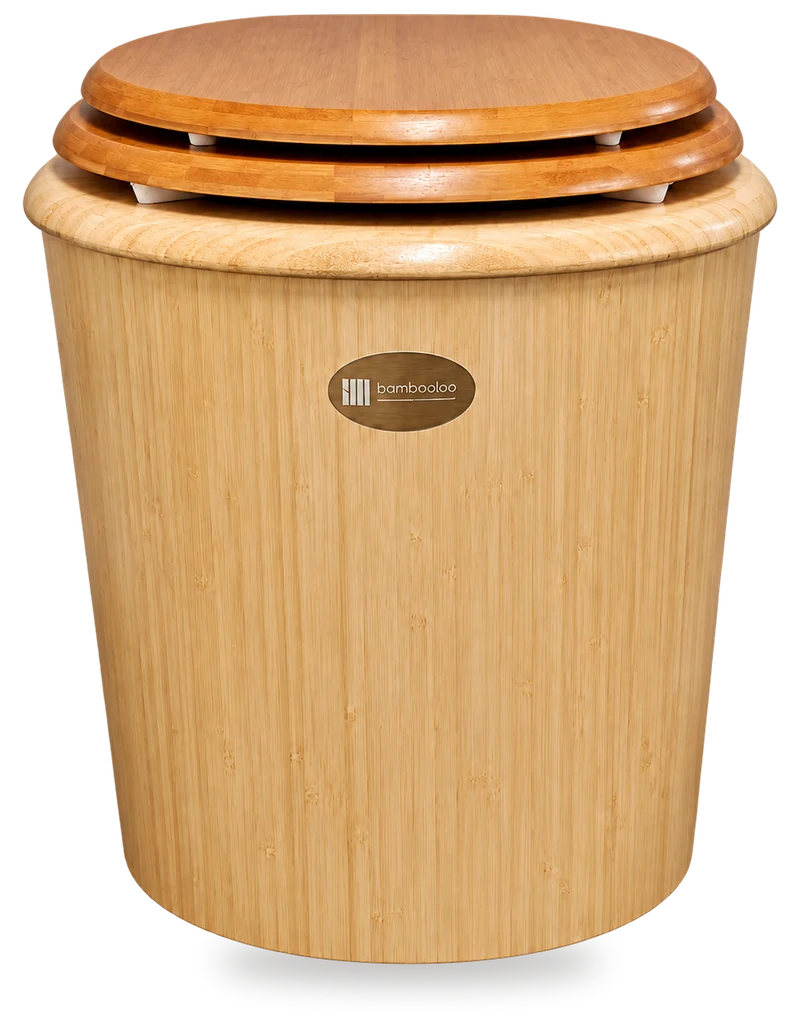
Bambooloo™ Classic
Natural bamboo, left the colour it comes out. The lighter base against the darker seat and lid is the one most people picture when they picture a Bambooloo.
See the Classic at WCTNZ®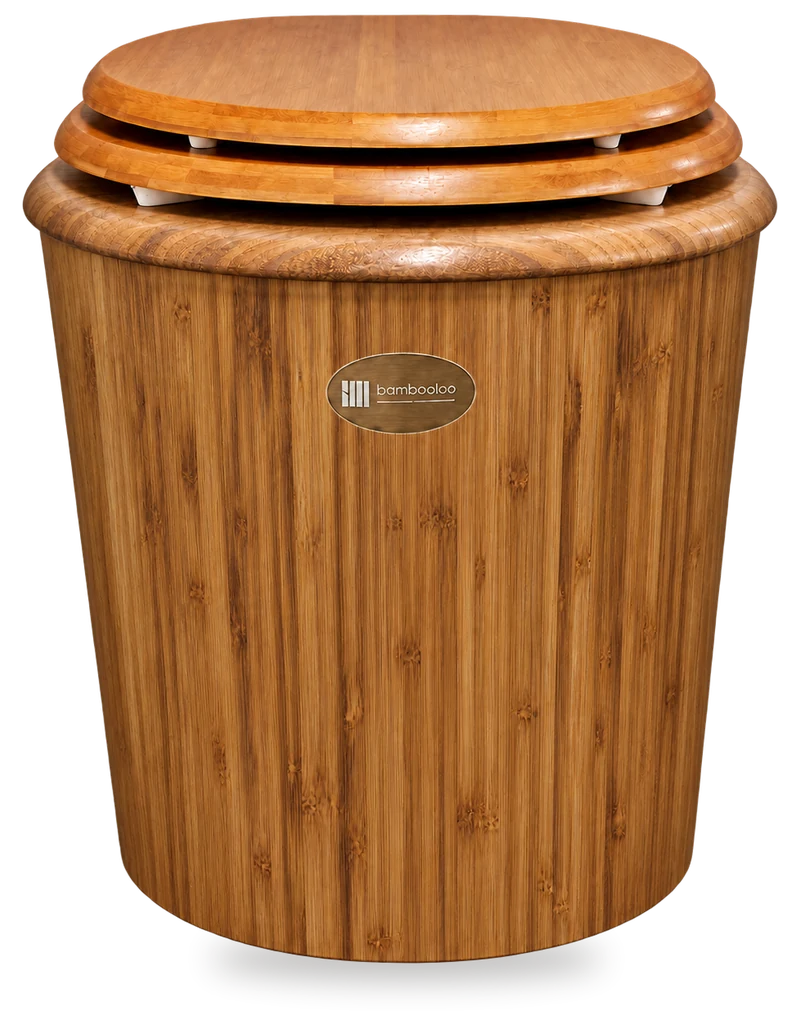
Bambooloo™ Carbon
The same bamboo, heat-treated so the colour runs right through the board. The base ends up matching the seat and lid instead of contrasting with them. A limited edition.
See the Carbon at WCTNZ®
Bambooloo 2
Coming soon.
What comes in the box
- The commode, packed in wood shavings
- One 20 litre bucket with a screw-on transport lid
- Compostable bin liners
- Coco peat briquettes and untreated wood shavings as cover material
- A cover-material scoop
- BBL Tamp-Spray
- The printed Owner Setup, Use & Care Manual
The things people ask first
Short answers meant to orient you. The printed manual that comes with every unit is the authority on what to do day to day.
Is it a legal on-site wastewater system?
No. The Classic and the Carbon are commodes, a bucket system. They are not certified treatment units under AS/NZS 1546.2:2008 (On-site domestic wastewater treatment units: waterless composting toilets), and they are not a legal on-site waste management system. If that is what your consent needs, talk to WCTNZ® before you buy anything.
What is a commode, and what happens to the bucket?
A commode collects, it does not treat. It is sold as a composting toilet because that is the category people search, but nothing composts inside it. Everything goes into a removable 20 litre bucket under cover material. When the bucket is full you screw the transport lid on and take it to the pathway you have chosen: composting you manage on your own site, a service that accepts this material, or an arrangement confirmed with your council. Nothing happens inside the room.
Will it smell?
That depends on you, and we will not pretend otherwise. With enough cover material and an owner who stays on top of emptying it, a Bambooloo is pleasant to live with, and people keep them in bedrooms. A mild earthy smell can still occur, and it is the first sign that it wants more cover material or an empty.
Do I need power, water or plumbing?
None of them. No water, no power, no plumbing, no drainage and no ventilation. It stands on the floor and that is the whole installation.
Is it really all bamboo?
No. Bamboo where it counts: the surfaces you see, touch and live with. Everything else is chosen for strength and for how long it has to last. We would rather say so than let the name do the talking.
Where is it made, and by whom?
In New Zealand, by Waterless Composting Toilets NZ Limited (WCTNZ®), a family company, in its own workshop, one unit at a time. Every unit is stamped with its build version and the date it was made.
What is the difference between the Classic and the Carbon?
The bamboo. Carbon is heat-treated, so the darker colour goes right through the board rather than sitting on the surface, and the base ends up matching the seat and lid instead of contrasting with them. Same commode, same dimensions, same package. The Carbon is a limited edition.
How many buckets do I need?
One comes with the unit, and one person fills it in about four days. Households who would rather not empty on a schedule keep a second bucket so there is always one in reserve. WCTNZ® will talk you through what suits your situation.
Can I fix it to the floor?
Yes. There is provision for a floor restraint, which is what people use in boats, caravans and motorhomes so the unit stays put while everything else moves.
How do I look after the bamboo?
Treat it as you would any piece of bamboo or timber furniture. Wipe it rather than soak it, keep harsh solvents and abrasives off the finish, and do not leave it standing in water. The printed manual has the detail.
What happens to the contents afterwards?
It goes to a pathway you choose and manage. Owner-managed composting on your own site, done properly, works through a thermophilic stage, heat generated by the pile itself. Siting, volumes and timing are site-specific and belong in a conversation with WCTNZ® and your council, not on a marketing page. One rule holds everywhere: never apply untreated or partly treated material to vegetables, herbs, edible leaves, root crops or children’s play areas.
Where do I buy one?
From the WCTNZ® shop, which holds the current price, stock and delivery for both models: the Bambooloo range at WCTNZ®. If you would rather talk it through first, send an enquiry or call 0800 022 027.
Tell us where it is going
A few details and we can tell you whether a Bambooloo suits the space, and what to think about before you order.
We would rather have a short conversation than sell you the wrong toilet. If it is not the right thing for your site, we will say so.